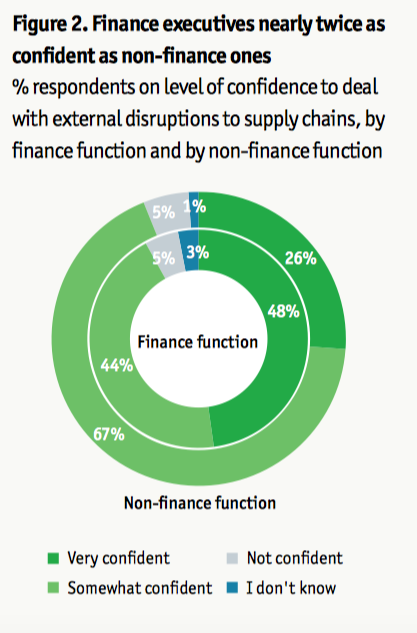
Concerns about geopolitical and economic risks have grown among those who oversee company supply chains. Both Brexit in 2016 and the seeming arrival in 2017 of a new era in US trade policy under the presidency of Donald Trump have created new uncertainties. For example, factory managers in Asia, whose operations are vital links in many companies’ global supply chains, may read nationalistic rhetoric from the West and logically wonder whether some of their supplier relationships have become politically inexpedient. Senior executives at multinational companies with complex sourcing networks spanning the globe may worry that populist pressure could force them to re-shore jobs or to rethink how their products are made and where they come from. These are not necessarily unfounded fears, as this Economist Intelligence Unit (EIU) report concludes.
The rules of global trade are shifting and companies will need to make sure their supply chains have the agility and resourcefulness to deal with potential challenges and disruptions that may lie ahead. Questions remain about whether the pace of globalisation will slow considerably, shift its direction or possibly reverse
A survey about the future of supply chains, conducted by The EIU and commissioned by Standard Chartered Bank, found that
company executives are focused on keeping down operating costs over the next year and increasing operational transparency through technological innovation. Over the next five years, companies envision bigger changes: sourcing networks will be simpler, smarter and ideally more sustainable.
Key findings from the research include:
Most companies are confident about being able to deal with supply-chain disruptions over the next year, but they are very sensitive about costs.
The survey found that those who are better prepared are more confident about dealing with challenges and disruptions. There was substantial agreement on another point: lowering costs in the supply chain.
Innovation is seen as a crucial part of strategic supply-chain management because it will help create full visibility across production networks and thereby support sustainability.
Commitment to technological innovation is extraordinarily widespread in supply chain management. More than nine-in-ten (93%) executives surveyed have identified it as important. Companies that believe innovation is very important are also more confident they can address external disruptions.






 扫码加好友,拉您进群
 全部版块
全部版块 我的主页
我的主页


 收藏
收藏