立即打开
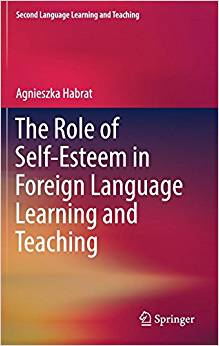
This book demonstrates how foreign language self-esteem (FLSE) affects foreign language (L2) learning and teaching, and how it fluctuates with growing proficiency. Further, it explains the interaction between FLSE and a range of factors of recognized importance in second language acquisition (SLA). The theoretical part of the book presents the main pillars of self-esteem as well as its notable influence on psychological functioning and learning, with special emphasis being placed on L2 learning. In turn, the empirical part presents the findings of a study that explored the trajectory and behavioural outcomes of FLSE across three stages of education. The book closes by outlining future research directions, as well as some pedagogical implications. In particular, the findings of the study can be employed in teaching English as a foreign or second language by helping instructors understand the significance of learners’ individual differences. Contents 1 Psychological and Pedagogical Background of Self-esteem . . . . . . . . 1 1.1 Cognition and Affect as Inextricable Components of Learning . . . 2 1.2 The Importance of the Affective Domain in General Functioning, Education and Second Language Acquisition . . . . . . . . . . . . . . . . 4 1.2.1 Psychological Functioning . . . . . . . . . . . . . . . . . . . . . . . . 4 1.2.2 Education . . . . . . . . . . . . . . . . . . . . . . . . . . . . . . . . . . . . 4 1.2.3 Second Language Acquisition (SLA) . . . . . . . . . . . . . . . . 5 1.3 Self and Self-related Concepts . . . . . . . . . . . . . . . . . . . . . . . . . . . 8 1.3.1 Self-esteem from the Historical Perspective . . . . . . . . . . . . 9 1.3.2 The Typology of Self-esteem . . . . . . . . . . . . . . . . . . . . . . 10 1.3.3 Other Typologies of Self-esteem . . . . . . . . . . . . . . . . . . . . 11 1.3.4 The Antecedents of Self-esteem . . . . . . . . . . . . . . . . . . . . 15 1.3.5 Other Self-related Constructs: Self-concept and Self-efficacy . . . . . . . . . . . . . . . . . . . . . . . . . . . . . . . 21 1.4 Self-esteem Development Across the Life Span . . . . . . . . . . . . . . 28 1.4.1 Childhood . . . . . . . . . . . . . . . . . . . . . . . . . . . . . . . . . . . . 28 1.4.2 Adolescence . . . . . . . . . . . . . . . . . . . . . . . . . . . . . . . . . . 28 1.4.3 Adulthood . . . . . . . . . . . . . . . . . . . . . . . . . . . . . . . . . . . . 30 1.4.4 Old Age . . . . . . . . . . . . . . . . . . . . . . . . . . . . . . . . . . . . . 30 1.5 Self-esteem and Gender . . . . . . . . . . . . . . . . . . . . . . . . . . . . . . . 30 1.6 Self-esteem and Culture . . . . . . . . . . . . . . . . . . . . . . . . . . . . . . . 31 1.6.1 The Individualist and Collectivist Cultural Context . . . . . . 31 1.6.2 Meritocratic and Ego-Protective Educational Culture . . . . . 33 1.6.3 The Position of Poland Along the Individualist- Collectivist Continuum . . . . . . . . . . . . . . . . . . . . . . . . . . . 34 1.6.4 Global and Ethnic Self-esteem . . . . . . . . . . . . . . . . . . . . . 35 1.7 The Role of Self-esteem . . . . . . . . . . . . . . . . . . . . . . . . . . . . . . . 36 1.7.1 Self-esteem and Psychological Functioning . . . . . . . . . . . . 36 1.8 Self-esteem and Learning . . . . . . . . . . . . . . . . . . . . . . . . . . . . . . 38 1.9 Self-esteem and Language Learning . . . . . . . . . . . . . . . . . . . . . . . 40 2 A Review of Selected Empirical Research on Self-esteem . . . . . . . . . 47 2.1 Assessing Self-esteem . . . . . . . . . . . . . . . . . . . . . . . . . . . . . . . . . 48 2.2 Methodological Diversity in Self-esteem Studies . . . . . . . . . . . . . 49 2.2.1 The Most Popular Measures of Self-esteem . . . . . . . . . . . . 51 2.2.2 The Issue of Validity in Researching Self-esteem Revisited . . . . . . . . . . . . . . . . . . . . . . . . . . . . . . . . . . . . . 54 2.3 The Role of Self-esteem in Psychological Functioning . . . . . . . . . 55 2.3.1 Participation in Social Groups and Likeability . . . . . . . . . . 55 2.3.2 Conformity and Leadership . . . . . . . . . . . . . . . . . . . . . . . 57 2.3.3 Creativity . . . . . . . . . . . . . . . . . . . . . . . . . . . . . . . . . . . . 57 2.3.4 Antisocial Behaviour . . . . . . . . . . . . . . . . . . . . . . . . . . . . 58 2.4 Self-esteem and Learning . . . . . . . . . . . . . . . . . . . . . . . . . . . . . . 61 2.5 Self-esteem and Learning a Foreign Language . . . . . . . . . . . . . . . 65 2.5.1 Self-esteem and Performance in FL . . . . . . . . . . . . . . . . . 69 3 Research Methodology and Results . . . . . . . . . . . . . . . . . . . . . . . . . . 77 3.1 Rationale for the Study . . . . . . . . . . . . . . . . . . . . . . . . . . . . . . . . 77 3.2 Method . . . . . . . . . . . . . . . . . . . . . . . . . . . . . . . . . . . . . . . . . . . 83 3.2.1 Participants . . . . . . . . . . . . . . . . . . . . . . . . . . . . . . . . . . . 83 3.2.2 Instruments . . . . . . . . . . . . . . . . . . . . . . . . . . . . . . . . . . . 87 3.2.3 Procedure . . . . . . . . . . . . . . . . . . . . . . . . . . . . . . . . . . . . 90 3.2.4 Analyses . . . . . . . . . . . . . . . . . . . . . . . . . . . . . . . . . . . . . 91 3.3 Results . . . . . . . . . . . . . . . . . . . . . . . . . . . . . . . . . . . . . . . . . . . . 92 3.3.1 Quantitative Findings . . . . . . . . . . . . . . . . . . . . . . . . . . . . 92 3.3.2 Qualitative Findings . . . . . . . . . . . . . . . . . . . . . . . . . . . . . 107 3.4 Limitations of the Study . . . . . . . . . . . . . . . . . . . . . . . . . . . . . . . 111 4 Discussion . . . . . . . . . . . . . . . . . . . . . . . . . . . . . . . . . . . . . . . . . . . . . 115 4.1 Foreign Language Self-esteem and the Level of Proficiency . . . . . 115 4.2 Correlates and Predictors of Foreign Language Self-esteem . . . . . . 120 4.2.1 Demography-Related Correlates of Foreign Language Self-esteem . . . . . . . . . . . . . . . . . . . . . . . . . . . . . . . . . . . 121 4.2.2 Educational Correlates of Foreign Language Self-esteem . . . . . . . . . . . . . . . . . . . . . . . . . . . . . . . . . . . 124 4.2.3 Personal Correlates and Predictors of FLSE . . . . . . . . . . . 126 4.3 Students with High and Low FLSE . . . . . . . . . . . . . . . . . . . . . . . 132 4.3.1 The Characteristics of Students with High FLSE . . . . . . . . 132 4.3.2 The Characteristics of Students with Low FLSE . . . . . . . . 135 5 Conclusions and Implications for the EFL Classroom . . . . . . . . . . . 141 5.1 The Purpose of the Book . . . . . . . . . . . . . . . . . . . . . . . . . . . . . . 141 5.2 Recommendations for Further Research . . . . . . . . . . . . . . . . . . . . 144 5.3 Implications for the EFL Classrooms . . . . . . . . . . . . . . . . . . . . . . 147 Appendix A . . . . . . . . . . . . . . . . . . . . . . . . . . . . . . . . . . . . . . . . . . . . . . . . . 153 Appendix B . . . . . . . . . . . . . . . . . . . . . . . . . . . . . . . . . . . . . . . . . . . . . . . . . 155 References . . . . . . . . . . . . . . . . . . . . . . . . . . . . . . . . . . . . . . . . . . . . . . . . . . 159
扫码加我 拉你入群
请注明:姓名-公司-职位
以便审核进群资格,未注明则拒绝
栏目导航
热门文章
推荐文章





 扫码加好友,拉您进群
 全部版块
全部版块 我的主页
我的主页


 收藏
收藏